
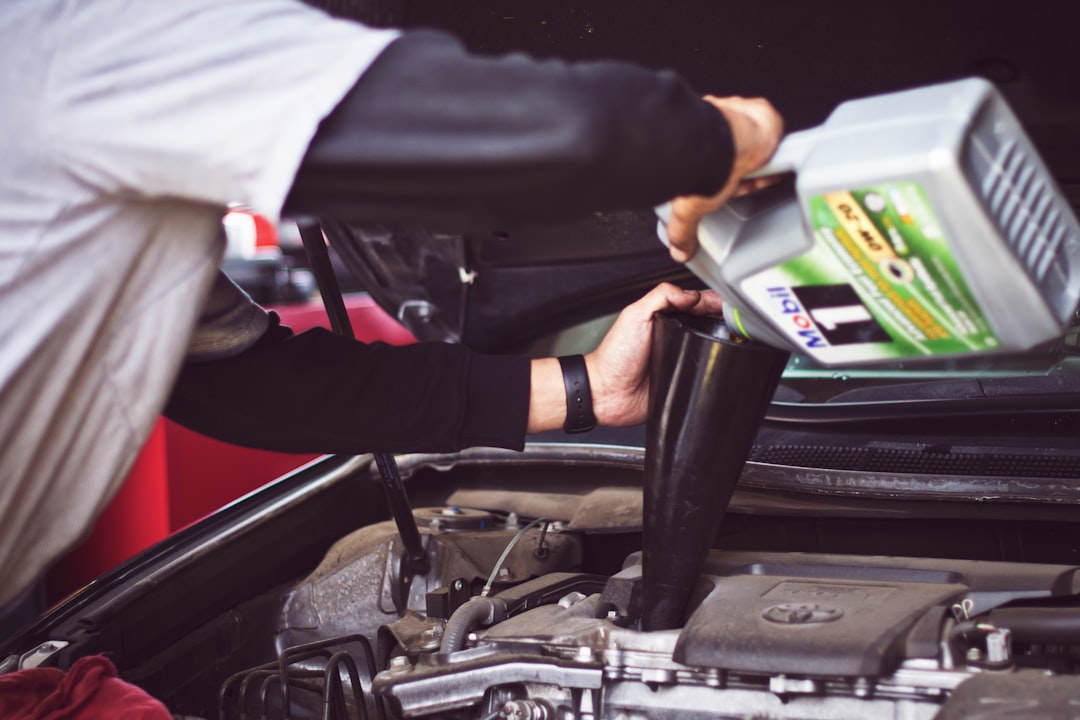
Oil Change Intervals for Commuters: Why Short Trips Wear Out Your Engine Faster
November 12, 2025 |
Learn how short commutes wear out engine oil faster, the right oil change intervals for commuters, and simple habits that protect your car and budget over time.
Your commute might only be five miles. You barely reach forty miles per hour. You drive gently, avoid hard acceleration, and you almost never take long highway runs. It feels like you are treating your car with extra care.
Your engine sees it very differently.
For many commuters, the real stress is not long road trips or occasional high speed driving. The real stress is a life of frequent cold starts and short trips where the engine never fully warms up. These easy feeling drives are actually listed as severe service in many owner manuals. Under those conditions engine oil ages faster than the large mileage number you see in advertisements.
In this post we will look at what is actually happening inside your engine on short trips, how that affects the right oil change interval for commuters, and what you can do to protect your vehicle and your wallet. You will also see why following the severe schedule in your manual is so important and how Rob’s Complete Auto Repair can help you set up a maintenance plan that matches the way you really drive.
Are You Secretly a Severe Service Driver?
Most people assume maintenance is simple. There is one recommended interval for oil changes and as long as you stay under that number you are safe. When you open the owner manual though, you usually find two different schedules.
One schedule is called normal service. This is where you see longer intervals such as 7500 to 10000 miles or about one year between oil changes on many modern cars.
The second schedule is called severe or special service. This one lists shorter mileage and shorter time between oil changes. Severe sounds extreme. Drivers picture towing heavy trailers through mountains or using the car as a race car.
That picture is only part of the story. Short commuting is classic severe service. The conditions that trigger the severe schedule often include trips under ten miles, frequent start and stop driving, long periods of idling, and vehicles that sit for long stretches and then only do quick local errands. That description fits a huge number of real world commuters.
A simple way to think about it is this. If your engine rarely stays fully warm for twenty minutes or more, then your driving pattern is severe even if you never drive fast or tow anything. You are a severe service driver without realizing it.
What Short Trips Do Inside Your Engine
To understand why the severe schedule matters so much for commuters, it helps to walk through what happens each time you turn the key or push the start button.
The Engine Never Truly Warms Up
When your engine is cold, the oil inside it is thicker and moves more slowly. It takes a moment for the oil pump to send oil to all the critical bearings and moving parts. During that time, metal touches metal more often and friction is higher. This is when a significant amount of wear happens.
For many cars it takes ten to fifteen minutes of driving for the oil and engine components to reach a stable operating temperature. On a short commute that might be the whole trip. Your engine spends almost all of its time in the high wear warm up period.
On a long highway trip the opposite is true. The engine warms up and then spends hours running smoothly at a steady temperature. That is when the oil can do its best work. Short trips keep your engine at the more stressful end of its operating range.
Moisture and Condensation Build Up
Every time fuel burns, water vapor is produced as part of the exhaust. Temperature changes between nighttime cooling and daytime driving also cause condensation inside the engine. Some of that moisture ends up in the crankcase, the space where the oil lives.
On a longer drive, the oil and internal engine parts stay hot long enough for that moisture to evaporate and leave through the crankcase ventilation system. On a five or ten minute trip the engine never gets fully hot or stays there long, so a lot of that water remains trapped in the oil.
Over time this trapped moisture can create a light creamy film under the oil cap. It can promote rust on internal metal surfaces. It also contributes to sludge formation, a heavy sticky deposit that can clog narrow oil passages. All of this makes it harder for oil to flow and protect the areas it is meant to protect.
Fuel Dilution Thins and Weakens the Oil
Cold engines and frequent short trips are also harder on fuel control. When you first start the engine, the computer enriches the fuel mixture to help the engine run smoothly. That richer fuel mixture does not always burn completely, especially during very short runs and lots of start and stop driving.
Tiny droplets of unburned fuel can slip past the piston rings and into the crankcase. There the fuel mixes with the engine oil. This is called fuel dilution.
Fuel dilution makes the oil thinner. The protective film between moving parts is not as strong. Some of the special additives inside the oil that prevent corrosion and wear can be washed away or used up faster. The presence of fuel can also speed up oxidation and thickening in other parts of the oil.
Laboratories that test used oil often see higher fuel content in the oil taken from cars that live short trip lives. Sometimes the mileage on those samples is even lower than the normal interval, yet the oil already shows signs of extra stress. That is clear evidence that driving pattern matters as much as mileage.
You can picture the oil in your engine like a sink full of dish water. Every short trip adds a bit more dirt, a little fuel, and a little moisture. If you never let it get hot long enough and you change it too rarely, you are always trying to clean things with dirty water.
Who Is Most at Risk?
Short trip wear does not hit everyone equally. Certain daily routines and types of vehicles are more vulnerable than others.
If your work is close to home and your commute is two to six miles mostly on surface streets, you are in a higher risk group. The same is true if you spend your days in very slow traffic with long stretches of idling, or if you are constantly running quick errands with cooling off periods in between.
Drivers who own a second car or a weekend car also need to pay attention. If that car sits for days at a time and then only gets started for a quick drive to the store and back, moisture and fuel can build up in the oil over time.
Some engines themselves are less forgiving of a short trip lifestyle. Modern turbocharged engines run under higher pressures and temperatures. Direct injection designs are known to be more prone to fuel dilution and deposit formation. Hybrids often switch the engine on and off repeatedly which can make it harder for the oil to stay at a stable temperature. Older or high mileage engines with some wear on the rings and seals may allow even more combustion byproducts and moisture into the oil.
If you recognize yourself in these descriptions and you rarely give your engine a long smooth cruise at operating temperature, you can safely assume that your oil change interval should be based on the severe schedule.
How Often Should Short Trip Commuters Change Their Oil?
There is a lot of confusion out there about oil intervals. Some people still repeat the old three thousand mile rule. Others hear an advertisement for ten thousand mile synthetic oil and assume that number always applies no matter how they drive.
The truth is that both of these approaches ignore what your engine actually experiences in daily use. The right interval depends on the design of the engine, the type of oil, and most importantly the way the car is driven.
For many modern vehicles, a normal schedule might allow up to 7500 or even 10000 miles between changes, or roughly one year, when the car is used in a fairly gentle way. The severe schedule in that same manual will typically call for changes at perhaps 3000 to 5000 miles or around six months.
If your life is full of short trips, you belong on the severe side. Even if your total annual mileage is low, the oil may need to be changed more often because most of its time is spent cold, loaded with moisture and exposed to extra fuel.
The most reliable method is straightforward. Look up the maintenance section in your owner manual. Find the section labeled severe service or special operating conditions. If your commute and errands look like the examples there, treat that schedule as your default. Think of the normal schedule as something reserved for drivers who regularly make long highway trips where the engine stays fully warm for extended periods.
Synthetic oil fits into this picture as a valuable tool but not a magic shield. Quality synthetic oil handles heat better and flows more easily in cold weather. It can often tolerate stress for longer without breaking down. However, synthetic oil does not remove water and fuel that have already entered the crankcase. Only draining the oil and replacing it can do that.
For a short trip commuter, a smart strategy is to choose a good synthetic oil that meets the manufacturer specification, then still follow the severe schedule rather than stretching to the longest possible interval. That gives you the advantages of better oil chemistry while still respecting what your driving pattern does to the oil.
Warning Signs That Your Oil Is Struggling
Even if you do not send oil to a lab, your car can give you hints that the oil is not keeping up with your daily routine.
When you remove the oil cap, look inside for a creamy or milky residue. This can be a sign that moisture and condensation are building up. Pull the dipstick and smell the oil. If it has a strong gasoline odor, fuel dilution may be present. Very dark, heavy oil well before the expected change interval can also suggest that it is working harder than planned.
Listen to your engine on cold starts. If it sounds noticeably louder, with more ticking or light knocking than it used to have, that may indicate that the oil film is not as strong as it should be. Pay attention to idle quality after many short trips. If the engine feels slightly rough or the fuel economy drops compared with what you used to see on the same commute, that can also be a clue.
Modern cars also track oil life electronically. If your oil life monitor or service reminder light appears much sooner than you expected, the computer is essentially telling you that the engine has seen a lot of severe operation. Some check engine lights related to misfires or emissions components may also be connected to long term issues with incomplete combustion and oil contamination.
Treat these signs as polite requests from your engine. Shorten the interval, consider a better oil, and have a trusted shop inspect for developing sludge or other problems.
Smart Maintenance Strategies for Short Trip Life
Living close to work is great for your schedule. It does not have to be bad for your engine if you adjust your maintenance habits.
Start by officially moving yourself onto the severe schedule in the owner manual. That is the schedule that matches a world of short drives, city traffic, long warm up periods and frequent cold starts.
Consider upgrading to a high quality synthetic oil that meets or exceeds the specification in the manual, especially if you drive a turbocharged engine, a direct injection model, a hybrid, or a high mileage vehicle. Combine that with the severe interval based on mileage or time, whichever comes first.
Try to give your car a regular exercise drive. A simple twenty to thirty minute run at steady speed on a local highway once in a while can do a lot to burn off moisture, keep internal passages cleaner, and allow the emissions system to work at full temperature.
At each oil change, make sure the filter is replaced and ask for a quick look inside the engine if possible. A technician can spot early signs of sludge or abnormal wear. Short trips are also tough on batteries and charging systems, so including a basic electrical check is a good idea.
Conclusion and Call to Action
Short commutes feel easy. That five mile glide to the office or the school drop off seems like a calm start and end to the day. Inside your engine though, those same short trips can be some of the harshest conditions your oil will ever face. Cold starts, trapped moisture, and fuel dilution all work together to wear out the oil faster and increase the risk of long term damage.
If your daily driving is built around short trips, the safest decision is clear. Use the severe schedule in your manual, pick the right oil for your engine, and give your car an occasional longer drive to clear out buildup. Do not wait for extreme mileage numbers to decide when the next oil change should happen.
If you are not sure exactly what interval is right for your commute, you do not have to guess. Visit Rob’s Complete Auto Repair in Lake in the Hills. Bring us your car and a simple description of how you drive. Our team will help you choose the correct oil, set realistic change intervals for a short trip lifestyle, and create a maintenance plan that keeps your engine healthy for the long run.
Thanks for reading! If you found this helpful, feel free to:
- 📚 Explore more: Check out related posts below
- 📎 Share: this post with someone who might find it useful
Read Next:

Why a Written Brake Evaluation Protects You and Your Wallet
What to expect in a brake report, key measurements to demand, and how to compare estimates locally

Pre-Purchase Inspection Add-Ons That Save Buyers Thousands
Local add-on checks—rust undercoating, engine/compression, and suspension stress tests for McHenry County buyers

Brake System Health: What a Written Evaluation Should Include
Understand measurements, test results, and line items so you avoid unnecessary brake work