
Brake Pad vs. Rotor Replacement: How to Tell What You Really Need (and Avoid Overpaying)
October 27, 2025 | Jay Gulati
Learn how to tell if you need new brake pads or rotors, avoid overpaying for repairs, and get honest brake service from Rob’s Complete Auto Repair.
The Truth About “You Need New Brakes”
You’re driving to work, you hear a squeal when you hit the brakes, and the shop says you need both new pads and rotors. But do you really? Many drivers overpay for brake work simply because they don’t know how to tell what’s worn out and what’s not.
In this guide, we’ll explain the difference between brake pads and rotors, how to tell which one is failing, and how to avoid unnecessary costs.
Brake Basics: Pads vs. Rotors Explained
Your car’s brakes are a partnership between two key parts.
- Brake pads are the friction material that presses against your rotors to stop the car. They’re designed to wear out faster so that your rotors don’t.
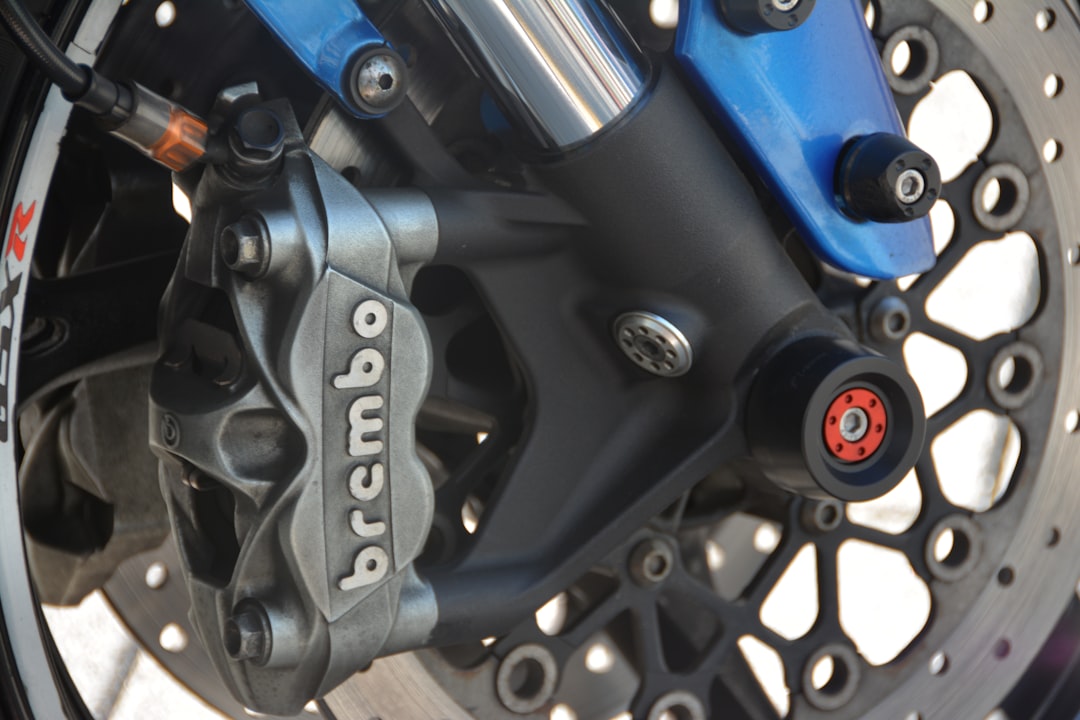
- Brake rotors are the metal discs that spin with your wheels. When the pads clamp down, friction converts motion into heat and stops your vehicle.
Both wear over time. Pads thin out from friction, while rotors can warp, crack, or lose thickness. Knowing which one is the culprit helps you save money and stay safe.
Spot the Difference: What’s Actually Failing
You don’t need to be a mechanic to spot the signs. Here’s how to tell which part might be at fault.
- Squealing or chirping: Pads are likely worn and the wear indicators are warning you.
- Grinding: The pads are gone and metal is scraping against metal.
- Vibration or pulsing: Your rotors may be warped or uneven.
- Dashboard brake light: Often triggered by low pad material or fluid
Quick DIY Check: Peek through the wheel spokes and check the pad thickness. If you see less than a quarter inch of material left, it’s time to replace the pads.
When to Replace Pads, Rotors, or Both
Not every brake job requires new rotors. In fact, you can often replace just the pads if the rotors are still smooth and within the manufacturer’s thickness specifications.
Replace brake pads only when:
- Rotors are clean and above minimum thickness
- No vibration or deep grooves are preseny
Replace rotors when:
- They are warped or below minimum thickness
- You feel vibrations or see scoring or cracks
Replace both when:
- Pads are completely worn and rotors are damaged from metal contact

What It Should Cost in 2025
The national average for brake pad replacement is around $325–$383 per axle. Replacing rotors can cost $559–$730 per axle, depending on your vehicle and parts.
Prices vary because of labor rates, vehicle make, and the quality of the pads and rotors used. Some shops push full replacements even when not necessary. To avoid overpaying, always ask for:
- Pad thickness measurements
- Rotor thickness compared to the stamped minimum
- Photos of worn parts before replacement
Transparency is a sign of an honest shop.
Brake Pad and Rotor Materials Explained
Choosing the right materials can make your brakes last longer and perform better.
- Ceramic pads: Quiet, clean, long-lasting, slightly higher cost.
- Semi-metallic pads: Strong stopping power, more dust and noise, harder on rotors.
- Organic pads: Softer, cheaper, wear faster.
Rotor types: Plain rotors are ideal for most daily driving. Drilled or slotted rotors are mainly for high-performance or heavy-duty use.
How to Avoid Overpaying for Brake Repairs
Knowledge is power, especially when it comes to your car’s safety system. Here are a few smart ways to stay in control of your repair bill:
- Ask for photos or measurements of your old parts.
- Request your old parts back for peace of mind.
- Compare at least two quotes before approving work.
- Look for a clear warranty like a 24-month or 24,000-mile coverage.
- Be cautious of any shop that insists on replacing rotors every time.
Want to be extra confident? Download a Brake Inspection Checklist from our website and bring it with you to your appointment.
Red Flags: When to Walk Away from a Quote
If you hear any of the following, it’s time to get a second opinion:
- “We always replace rotors with pads.”
- “You don’t need to see the measurements.”
- “This deal is only good today.”
A trustworthy mechanic will explain their recommendations clearly and back them up with measurements or photos.
Where to Get Honest Brake Service
At Rob’s Complete Auto Repair in Lake in the Hills, we believe in showing, not just telling. Our certified technicians measure every component and explain exactly what you need and why. We never replace parts that still have life left in them, and we back our work with industry-leading warranties.
Call us today at (847) 458-0444 or schedule online at robscompleteauto.com to book a free brake inspection. We’ll make sure your car stops safely without unnecessary costs.
Frequently Asked Questions
Do I need to replace rotors every time I change brake pads?
No. As long as your rotors are still thick enough and not warped or scored, they can be reused or lightly resurfaced.
What are the signs of bad rotors vs. bad pads?
Squealing and chirping usually mean bad pads. Vibration or pulsing means the rotors need attention.
Can I drive with bad rotors?
It’s unsafe. Worn or warped rotors reduce braking performance and can lead to longer stopping distances.
How much should a full brake job cost?
On average, between $650 and $1,100 for pads and rotors on both axles, depending on your vehicle.
What happens if I replace pads but not rotors?
If the rotors are in good shape, your new pads will seat properly. If not, you may experience noise or uneven braking.
Final Thoughts
Knowing how to tell the difference between brake pad and rotor wear helps you make smarter repair decisions. It saves you money and keeps your vehicle safe.
Rob’s Complete Auto Repair is your trusted partner for honest, transparent brake service. Schedule your free inspection today and drive with confidence knowing you’re getting only what you truly need.
Thanks for reading! If you found this helpful, feel free to:
- 📚 Explore more: Check out related posts below
- 📎 Share: this post with someone who might find it useful
Read Next:

Why a Written Brake Evaluation Protects You and Your Wallet
What to expect in a brake report, key measurements to demand, and how to compare estimates locally

Pre-Purchase Inspection Add-Ons That Save Buyers Thousands
Local add-on checks—rust undercoating, engine/compression, and suspension stress tests for McHenry County buyers

Brake System Health: What a Written Evaluation Should Include
Understand measurements, test results, and line items so you avoid unnecessary brake work